Understanding Resolution
What is Resolution?
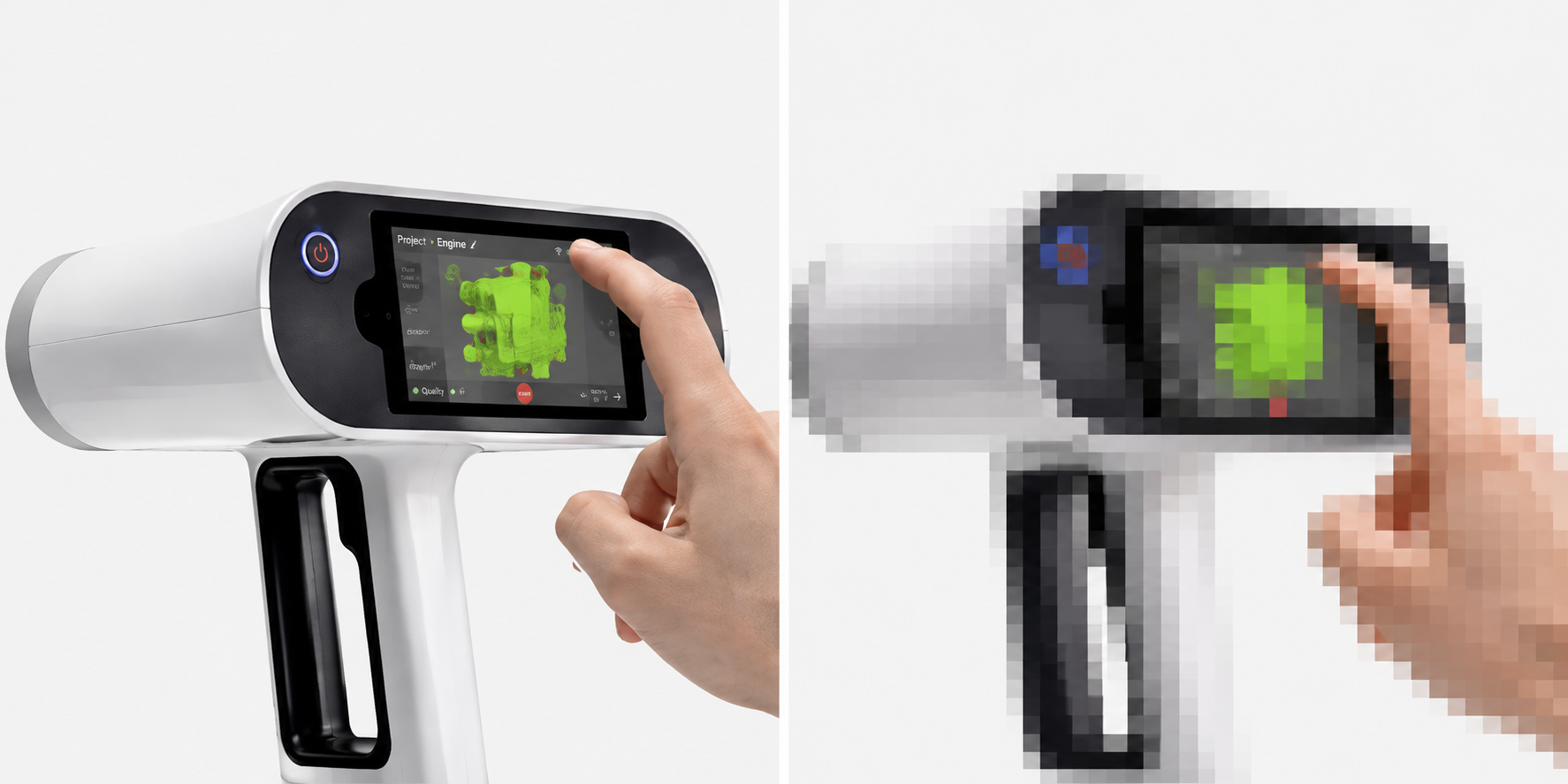
Resolution defines how many points of data exist within a space of a given size. Just as the image on the left has far more pixels in the same space compared to the image on the right, higher resolution scanners are able to capture more points within a given area.
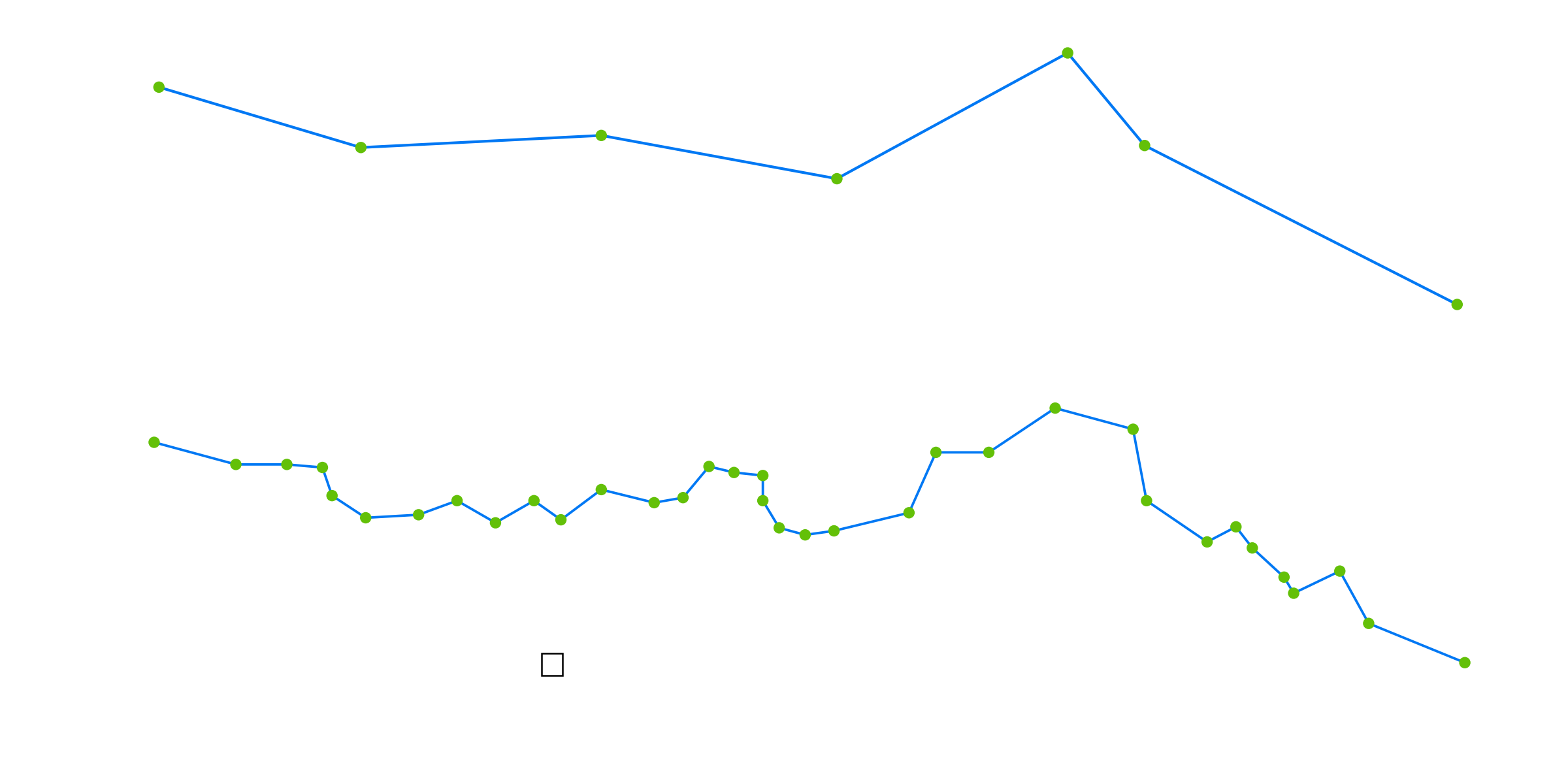
The relationship between Resolution & accuracy
Resolution ≠ accuracy
Resolution and dimensional accuracy are not directly related. The locations of captured points can be calculated with great confidence regardless of whether there are many points, or few.
Learn more about Accuracy specs here
However, resolution can have a dramatic effect on how well geometric details are expressed. All of the points in the top graph exist in exactly the same place in the bottom graph, but there are many additional points in the bottom graph. The locations of the points in the top graph are no less accurate, but it’s easy to see how having more points in a given space allows us to express geometric details with greater fidelity.
A much less common spec is Measurement Resolution, which is different entirely and is indeed related to fundamental accuracy. Measurement Resolution can be related to factors like the wavelengths of various colors of light, the speckle effect of lasers, or the resolution of encoders, but it is generally considered redundant and is far less common to see on sales materials.
Appropriate Resolution is critical in reverse engineering
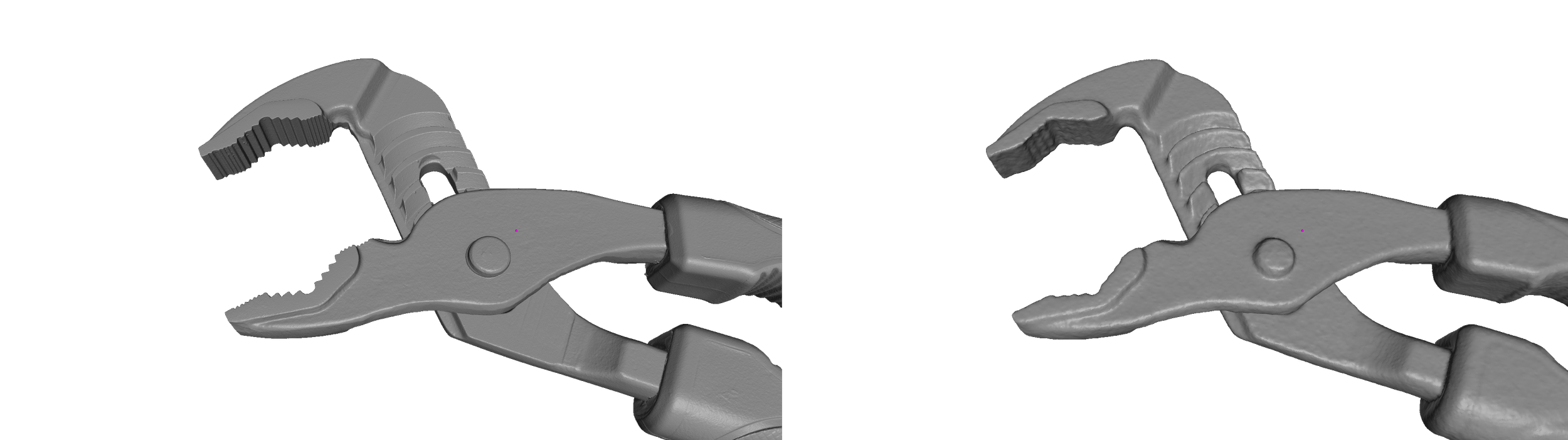
If we want to make an accurate CAD model of these pliers, we’ll need a higher resolution scan like the one on the left in order to recreate the finer details.
Higher Resolution isn’t always better
Higher resolution scans can come at a cost. They take up more storage space, they take longer to process, and in the case of some scanners, they may also take longer to capture.
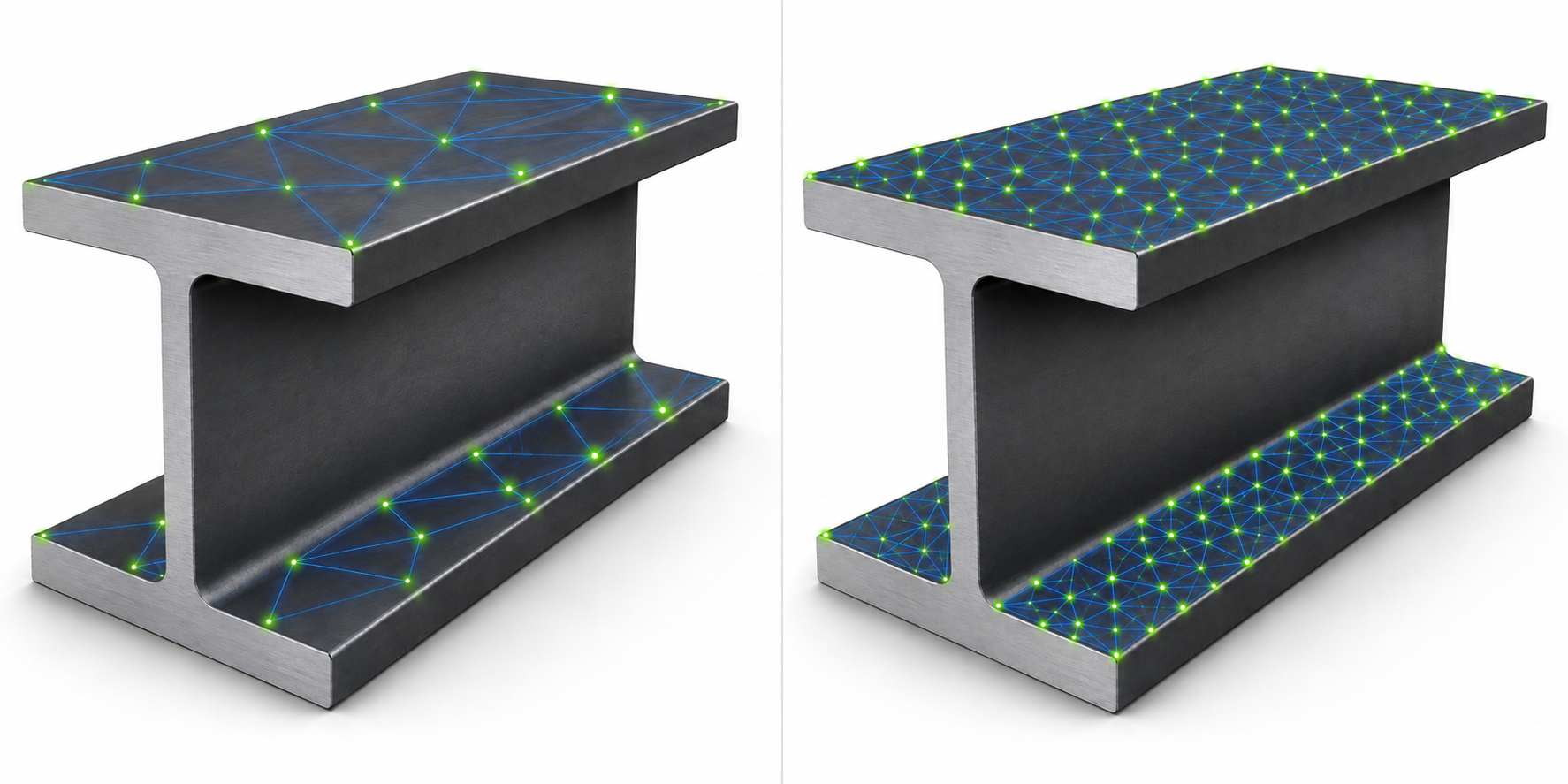
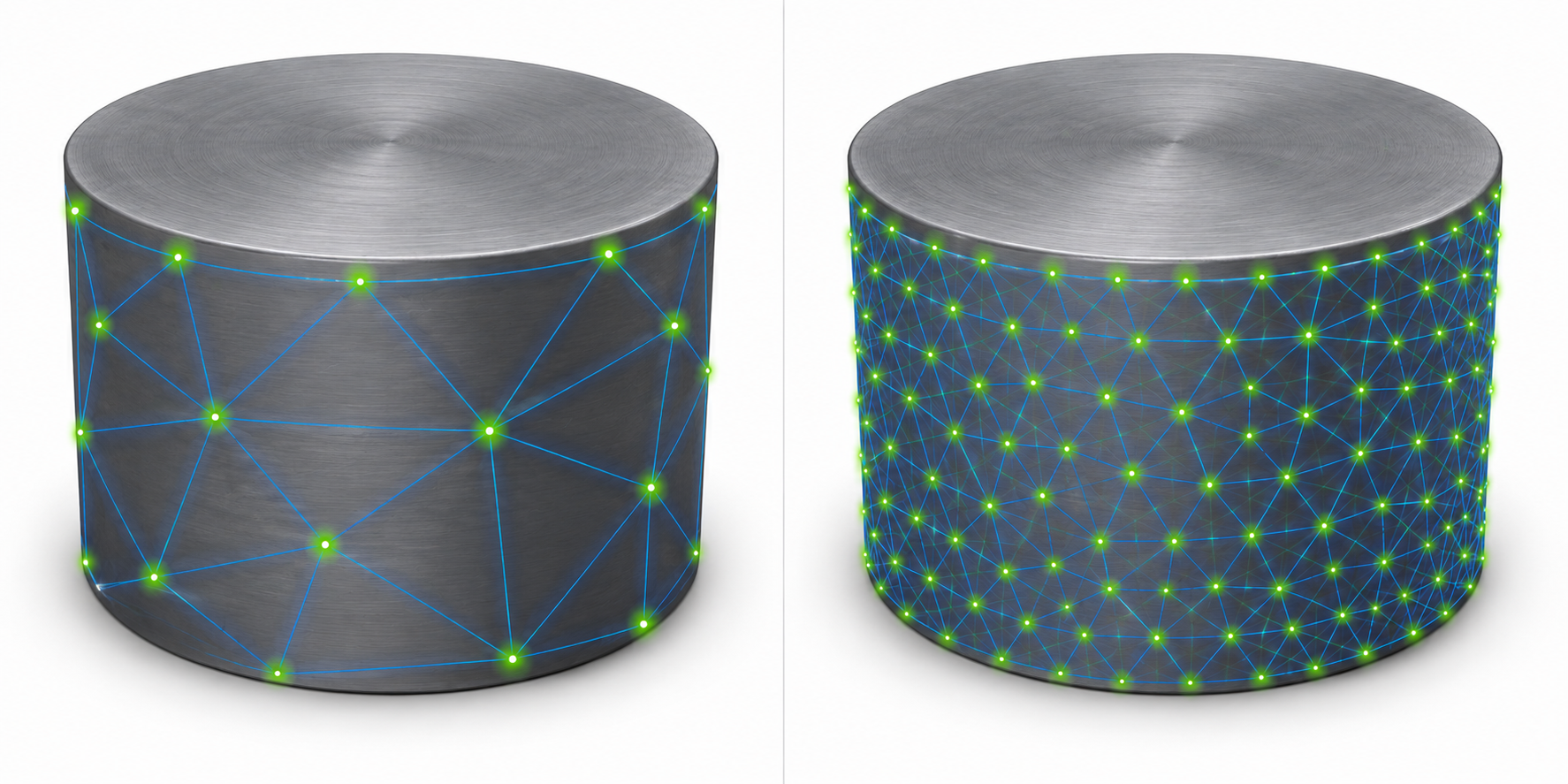
While critical to some applications, higher resolution scans aren’t always beneficial. For instance if we need to measure the distance between the faces on this I-beam, a high resolution scan is pointless. We don’t need a lot of points or polygons to accurately define these flat, featureless faces. Likewise, we can accurately define the position of a hole with as few as 3 points, and we can define the axis of the cylinder with a few more.
Why don’t LIDAR scanners like the Ray II and Jet list a similar resolution spec?
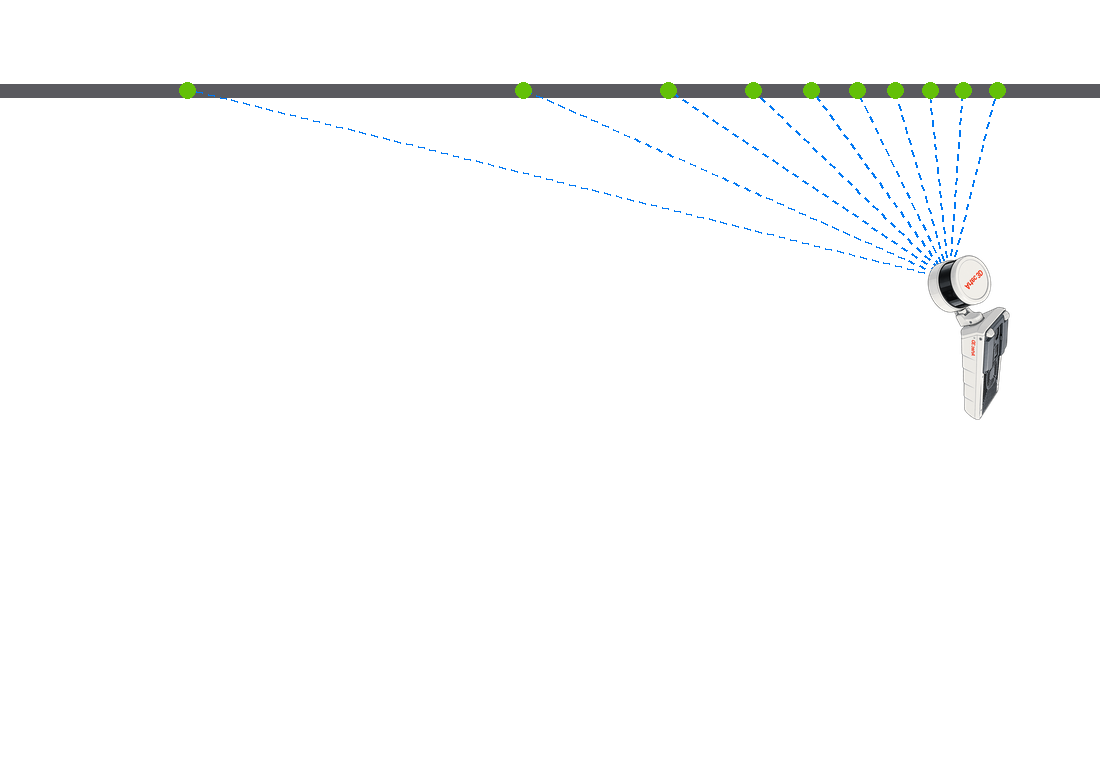
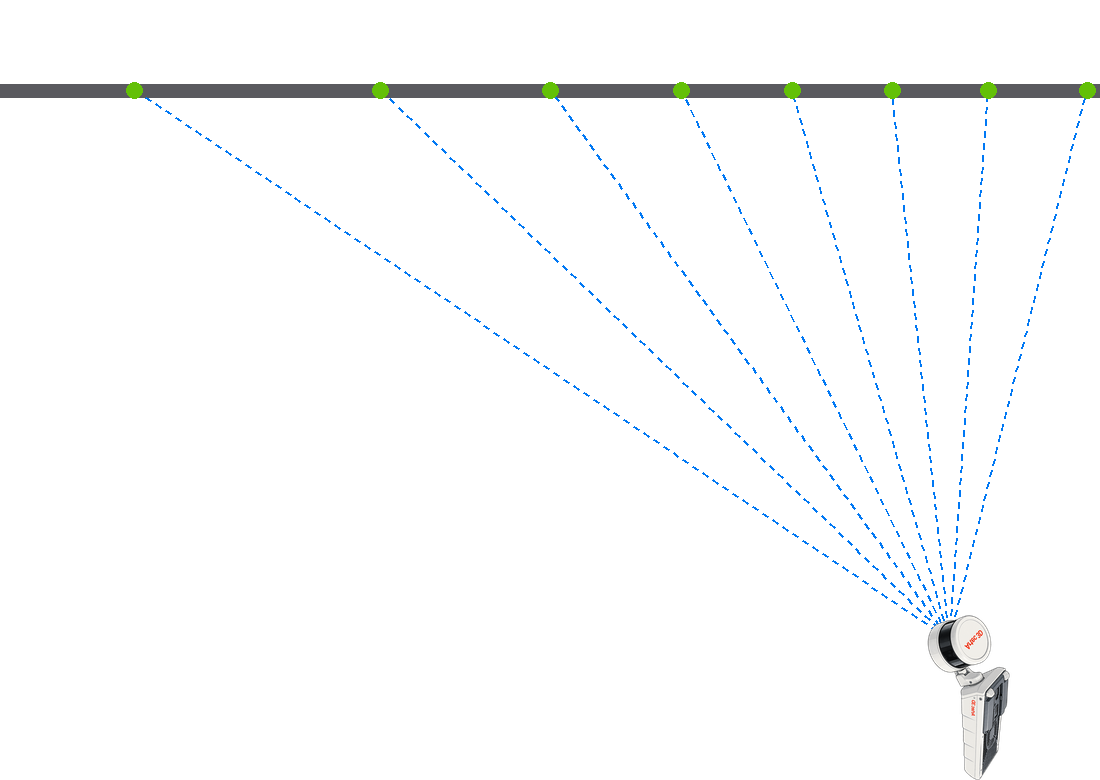
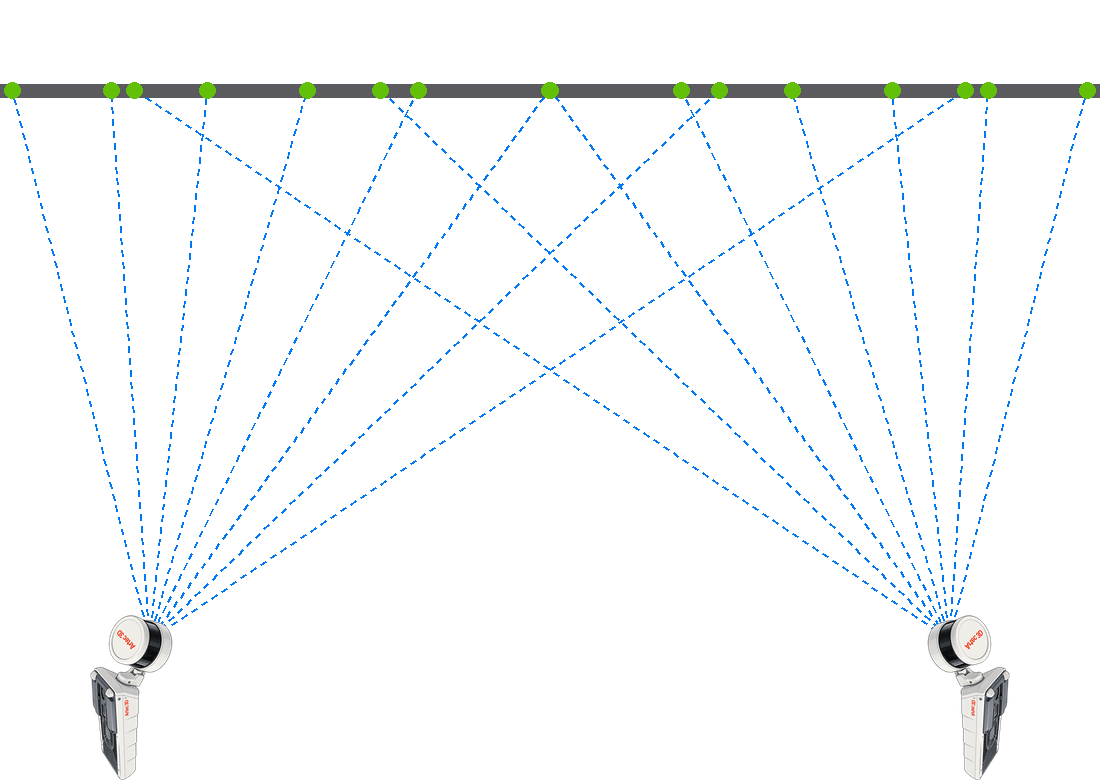
LiDAR scanners work by sending out laser pulses from a rotating emitter, fanning out from a central point. This means that the point spacing will vary based on the scanner’s distance from the surface as well as its relative angle to it and therefore can only be defined in minutes-of-angle rather than a uniform spacing. Points collected at more acute angles will be spaced further apart, as will points collected from further away. In the image on the far left, we can see that the effect of acute angles on point spacing is more dramatic when closer to the surface. In addition, LiDAR data is usually collected by moving the device into multiple different positions, ensuring both scans overlap for alignment purposes. That means the number of points will increase in these zones of overlap. because of all these unpredictable factors, it is not possible to express the resolution of LiDAR scanners in the same way as laser triangulation scanners or structured light scanners.
Learn more about different scanner types and how they work here.